


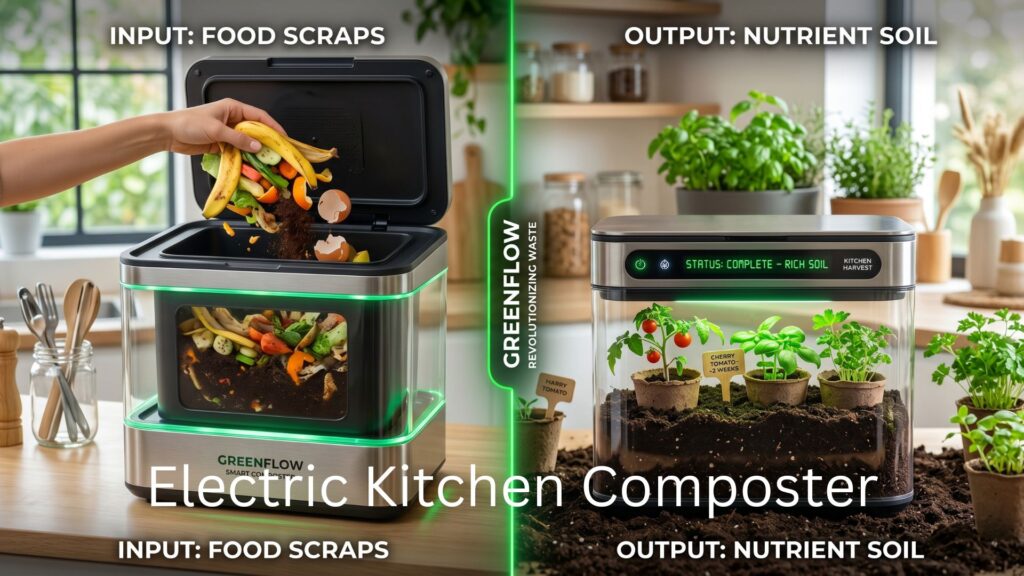
According to the U.S. EPA, food waste is the single largest category of material sent to landfills. An electric kitchen composter offers a practical at-home solution.
Electric Kitchen Composter: Introduction
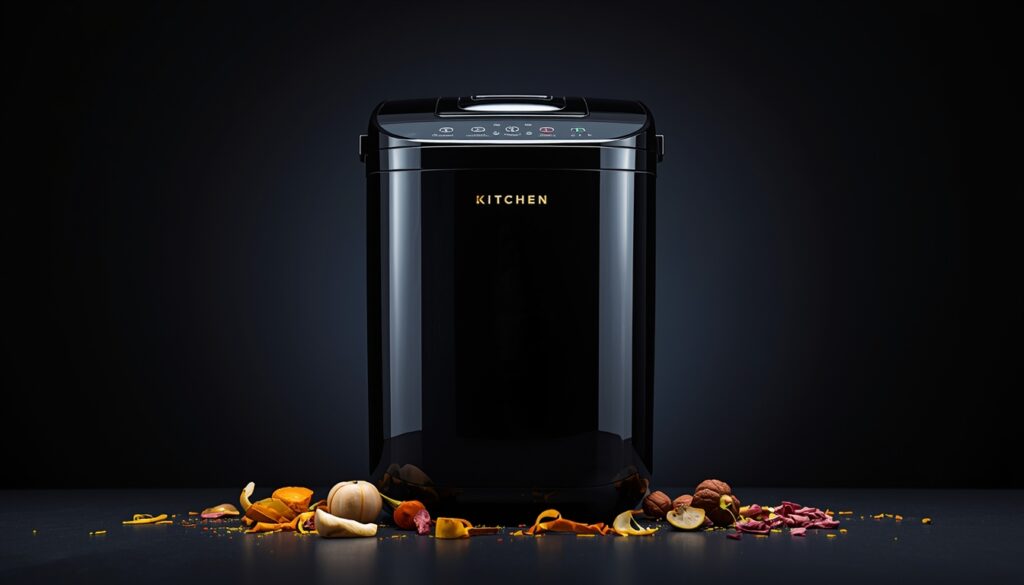
An Electric Kitchen Composter is quickly becoming one of the most talked-about eco-friendly gadgets in American homes. Designed to break down food waste efficiently with minimal odor, this innovative appliance offers a modern solution to one of the biggest environmental problems—food waste. With growing concerns about landfill overflow and climate change, more households in the U.S. are exploring practical ways to reduce their environmental footprint. And this is where electric composters step in as a simple, convenient, and impactful solution.
Why Food Waste Is a Growing Problem in the U.S.
Food waste is not just about throwing away leftovers—it’s a massive environmental issue. In the United States, food waste takes up more landfill space than any other type of waste. When this waste decomposes in landfills, it produces methane, a greenhouse gas that is far more harmful than carbon dioxide.
To address this issue, at least six states have already introduced laws aimed at reducing food waste. These regulations encourage better waste management practices, including composting. However, traditional composting methods are not always practical for every household.
The Problem with Traditional Composting
Traditional composting requires time, space, and effort. Typically, food waste takes several months to break down in a standard compost bin. You also need to manage the compost pile, balance green and brown materials, and deal with odors or pests.
For many urban households or people with busy lifestyles, this process is simply not convenient. Limited outdoor space and lack of access to proper composting systems make it even more challenging.
Electric Kitchen Composter: How It Works
Electric kitchen composters simplify the entire process. These devices are compact, easy to use, and designed for indoor use. You simply add your food scraps—such as vegetable peels, fruit waste, or leftover food—into the machine.

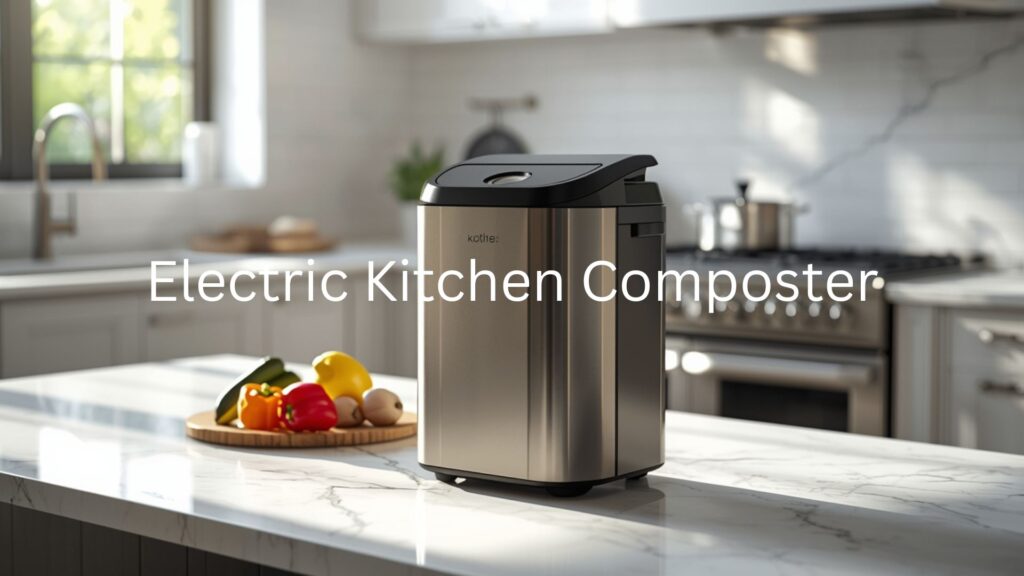
Within 3 to 6 hours, the composter reduces the volume of waste by up to 90%. It uses a combination of heat, grinding, and aeration to break down food waste quickly and efficiently.
Key Features:
- Fast processing time (3–6 hours)
- Odor control systems
- Compact and countertop-friendly design
- Easy to clean and maintain
- Energy-efficient operation
Do Electric Composters Make Real Compost?
One important thing to understand is that electric composters don’t produce “true compost” in the traditional sense. Instead, they create a dry, soil-like material that can be used as a base for composting or mixed into soil.
While it may not have the same nutrient richness as naturally decomposed compost, it still plays a valuable role in reducing waste and supporting sustainable practices.
Why Electric Composters Are Gaining Popularity
Electric kitchen composters are becoming increasingly popular for several reasons:
1. Convenience
Unlike traditional composting, these machines require minimal effort. You don’t need a backyard or specialized knowledge.
2. Time Efficiency
What used to take months can now be done in just a few hours.

3. Odor-Free Operation
Advanced filtration systems help eliminate unpleasant smells, making them ideal for indoor use.
4. Waste Reduction
Reducing food waste volume by up to 90% significantly decreases the amount of trash sent to landfills.
Market Demand and Revenue Potential
The demand for electric kitchen composters is not just growing—it’s booming. On major online platforms, top-selling composters generate an average monthly revenue of over $30,700.
This shows that consumers are not only aware of the problem but are also willing to invest in solutions that make a difference.
Limited Access to Municipal Composting Programs
Only about 12% of U.S. households have access to municipally supported food waste programs. This means the majority of Americans don’t have an easy way to dispose of organic waste responsibly.
Electric composters bridge this gap by providing a practical, at-home solution.
The Rise of Green Home Gadgets
Electric kitchen composters are part of a larger trend known as Green Home Gadgets. These are products designed to help people live more sustainably without drastically changing their lifestyle.
Other examples include:
- Smart energy-saving devices
- Water-efficient appliances
- Solar-powered gadgets
- Eco-friendly cleaning tools
Changing Consumer Behavior
Environmental awareness is at an all-time high in the U.S. Recent data shows:
- 64% of Americans are at least somewhat worried about global warming
- More than 1 in 3 people believe taking personal action for the climate is important
- 58% of consumers are willing to make eco-friendly purchasing decisions
This shift in mindset is driving demand for products like electric composters.

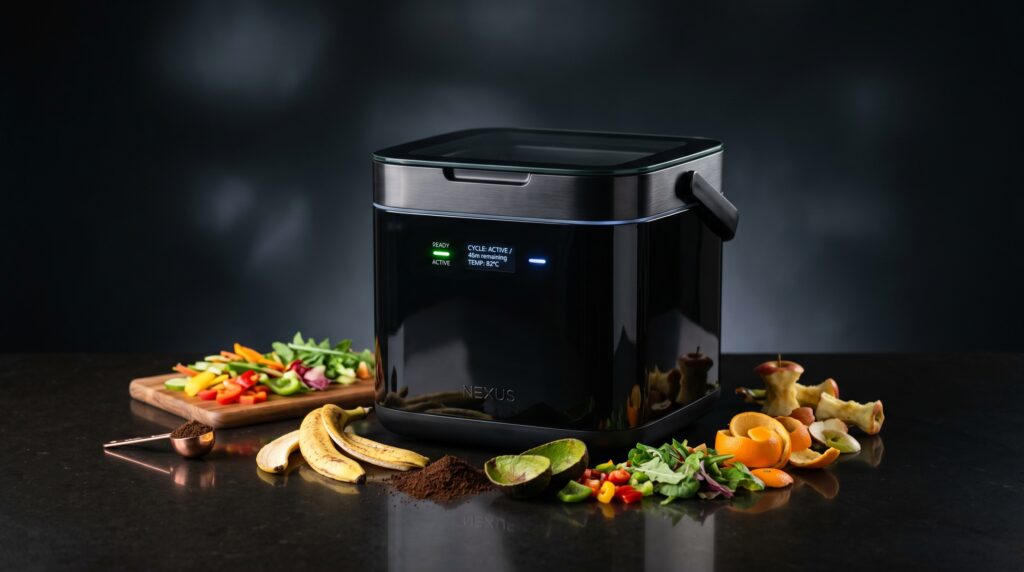
Benefits of Using an Electric Kitchen Composter
1. Reduces Environmental Impact
By cutting down on food waste sent to landfills, you help reduce harmful greenhouse gas emissions.
2. Saves Time and Effort
No need to manage compost piles or wait for months.
3. Improves Kitchen Hygiene
Less waste sitting in your trash means fewer odors and pests.
4. Encourages Sustainable Living
It’s a simple step toward a greener lifestyle.
5. Supports Responsible Consumption
You become more mindful of the waste you generate.
Also Read: Headphones That Translate Language, AI automation guide, and smart AI mirror guide.
Is It Worth the Investment?
Electric composters are not the cheapest kitchen gadgets, but they offer long-term value. If you regularly generate food waste and care about sustainability, the investment can be worthwhile.
Consider these factors:
- Frequency of food waste in your home
- Available space
- Environmental goals
- Budget
Tips for Choosing the Right Electric Composter
If you’re planning to buy one, keep these points in mind:
Capacity
Choose a size that matches your household’s needs.
Noise Level
Look for models designed for quiet operation.
Energy Consumption
Opt for energy-efficient units.
Ease of Cleaning
Removable parts and dishwasher-safe components are a plus.
Odor Control
Ensure the machine has a reliable filtration system.
Common Misconceptions
“It replaces traditional composting.”
Not exactly. It speeds up the process but doesn’t fully replace natural composting.
“It’s only for eco-enthusiasts.”
Anyone can benefit from reduced waste and a cleaner kitchen.
“It consumes too much energy.”
Most models are designed to be energy-efficient.
The Future of Sustainable Kitchens
As technology continues to evolve, we can expect smarter and more efficient eco-friendly appliances. Electric composters are just the beginning.
Future innovations may include:
- AI-powered waste sorting
- Fully automated compost systems
- Integration with smart home ecosystems
The goal is to make sustainability effortless and accessible for everyone.
Conclusion
Electric kitchen composters are more than just a trendy gadget—they represent a meaningful shift toward sustainable living. With food waste being a major environmental concern in the United States, these devices offer a practical and convenient solution for modern households.
They may not produce perfect compost, but they significantly reduce waste, improve hygiene, and encourage eco-friendly habits. As awareness around climate change grows, tools like electric composters will play a key role in helping individuals take action—right from their kitchen.
Q&A Section
Q1: Can I put all types of food waste in an electric composter?
Most composters handle fruits, vegetables, and leftovers well. However, check the manufacturer’s guidelines for items like bones or oily foods.
Q2: Does it smell bad?
No, most electric composters come with odor control systems that make them suitable for indoor use.
Q3: Is the output safe for plants?
Yes, but it’s better used as a soil additive rather than a complete fertilizer.
Q4: How much electricity does it use?
Consumption is generally low and comparable to other small kitchen appliances.
Q5: Is it suitable for apartments?
Absolutely. Its compact size and odor control make it perfect for small spaces.
Q6: How often should I use it?
You can use it daily or whenever your food waste container fills up.