


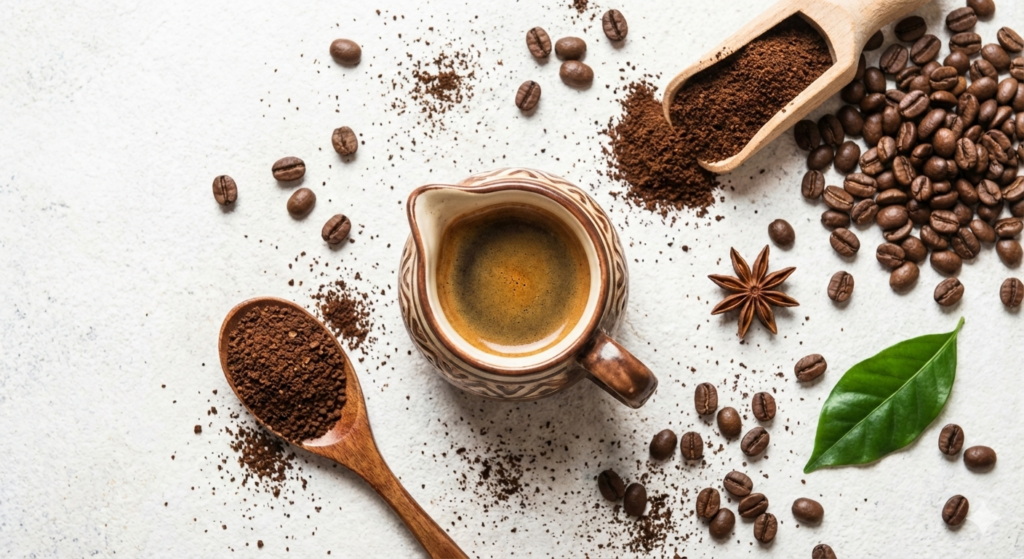
How often do you get to enjoy a foamy latte? Do you think of sitting with an Italian coffee drink in a cozy café or do you picture a Starbucks? However, do you know that coffee drinks date back centuries, long before the Starbucks or Peet’s that you hop at for a quick latte? You probably want to know how a drink called “The Yemeni Latte” could possibly fit that description.
Depending on the beans used, the drink could give you a nice jolt of caffeine. However, the drink offers so much more. It offers your a layered cloud of near solid foam, the drink could be topped with the Yemeni spices that give the drink its signature flavor, and it has legends associated with it. Not to mention that it is a story of the origins of coffee drinking and how it came to be a world-wide sensation.
This guide will help you understanding the long history of Yemeni coffee, the exceptional spices and how to prepare the drink in a way to be able to enjoy the sft cloud of foam, and spices on the drink. Whether you enjoy sipping casually on your afternoon coffee, or you love working the coffee machine and roasting beans, we hope you enjoy your Yemen latte.
What Exactly is a Yemeni Latte?
A Yemeni latte is a modern adaptation of traditional Yemeni coffee brewing methods, typically characterized by the addition of warm milk and a signature blend of spices. Unlike a standard latte that relies solely on the flavor of the espresso bean, the Yemeni version is defined by its “Hawaij”—a specific blend of warming spices.
In Yemen, coffee isn’t just a drink; it’s a ritual. While “latte” is a Western term, the flavors found in this drink are inspired by two primary traditional beverages:
- Mufawar: A medium-roast coffee boiled with cardamom and cream, resulting in a rich, velvety texture.
- Qishr: A lighter, tea-like infusion made from the husks of the coffee cherry (cascara) rather than the bean itself, usually heavily spiced with ginger and cinnamon.
When these traditional flavor profiles meet the steamed milk of a latte, you get a drink that is earthy, spicy, sweet, and incredibly comforting.
The Origin Story: How Yemen Changed Coffee Forever
To understand the Yemeni latte, we have to look back to the 15th century. While coffee plants are native to Ethiopia, it was in the mountains of Yemen that coffee was first roasted and brewed into the beverage we recognize today.
The Port of Mocha
You have likely heard the word “Mocha” in relation to chocolate-flavored coffee. Surprisingly, the term actually comes from the Port of Mocha (Al-Mukha) in Yemen. For centuries, this was the central marketplace for the global coffee trade. The beans grown in the high altitudes of Yemen had a natural chocolatey undertone, which is why the name “Mocha” became synonymous with chocolate notes in coffee.

The Sufi Connection
The first people to use coffee regularly were Sufi monks in Yemen. They brewed the cherries and beans to stay awake during long nights of prayer and meditation. They valued coffee not just for the energy boost, but for the “spiritual clarity” it provided. When you sip a Yemeni latte today, you are participating in a tradition that once fueled ancient scholars and mystics.
The Core Ingredients: What Makes the Flavor Unique?
What separates a Yemeni latte from a pumpkin spice latte or a vanilla latte is the authenticity and earthiness of the ingredients. There are no artificial syrups here—only raw, natural spices and high-quality beans.
1. The Beans (Arabica)
Yemeni coffee beans are some of the rarest and most expensive in the world. They are still grown using ancient methods on mountain terraces. Because Yemen is an arid climate, the beans are “dry-processed,” meaning they are dried inside the fruit. This gives the coffee a complex, wine-like acidity and deep earthy notes.
2. Ginger (Zanjabil)
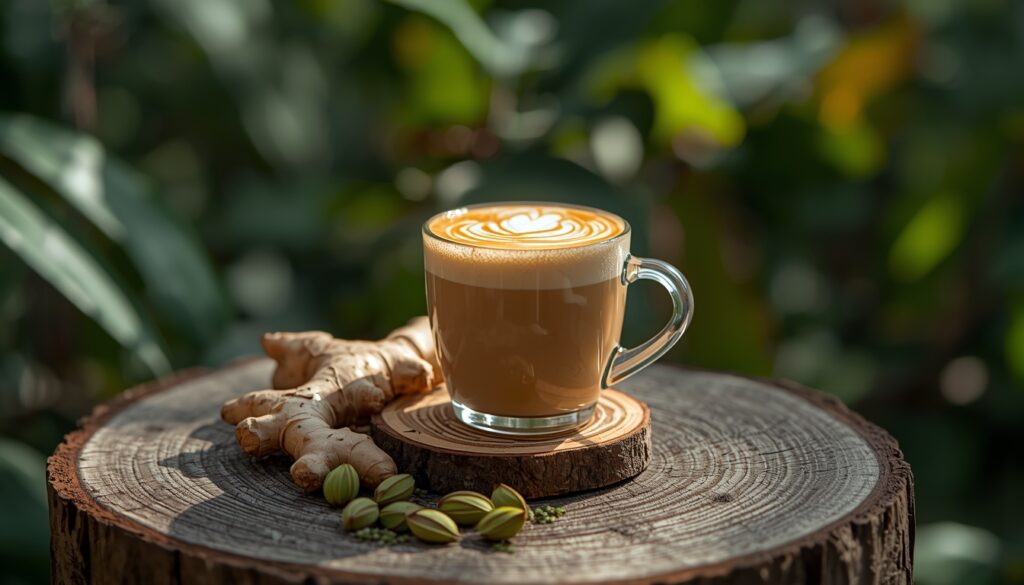
Ginger is the backbone of Yemeni coffee. It provides a sharp, spicy kick that cuts through the richness of the milk. It also serves a functional purpose, as ginger is known in the region for aiding digestion.
3. Cardamom
Cardamom provides the floral, aromatic top notes. In many Middle Eastern cultures, adding cardamom to coffee is a sign of hospitality and wealth.
4. Cinnamon and Cloves
These spices add a woody sweetness and depth, making the latte feel “warm” even before you take a sip.
Qishr vs. Mufawar: Choosing Your Base
When ordering or making a Yemeni-style latte, you generally have two paths to take based on the traditional recipes.
The Qishr Base (The “Tea” Style)
Qishr is made from the dried husks of the coffee cherry. In Yemen, this was historically more popular than the bean itself because it was more affordable and had a lower caffeine content.
- Flavor: Fruity, herbal, and light.
- Best for: Those who want a lighter, spiced latte that feels more like a “Chai” but with coffee undertones.
The Mufawar Base (The “Rich” Style)
Mufawar is the “king” of Yemeni coffee drinks. It uses finely ground beans and is boiled multiple times with cardamom and cream.
- Flavor: Bold, nutty, and creamy.
- Best for: People who love a strong espresso-forward latte with a thick, luxurious mouthfeel.

Health Benefits of a Spiced Yemeni Latte
Drinking a Yemeni latte isn’t just a treat for your taste buds; it’s actually packed with health-promoting ingredients. In the Middle East, coffee has long been used as a medicinal tonic.
| Ingredient | Primary Health Benefit |
| Coffee Beans | High in antioxidants and improves cognitive function. |
| Ginger | Potent anti-inflammatory and aids in digestion. |
| Cardamom | May help lower blood pressure and acts as a natural breath freshener. |
| Cinnamon | Helps regulate blood sugar levels. |
| Cascara (Husks) | Contains high levels of polyphenols (antioxidants). |
By combining these, the Yemeni latte becomes a “functional beverage” that supports your immune system while giving you a steady energy boost without the jitters often associated with sugary energy drinks.
How to Make an Authentic Yemeni Latte at Home
You don’t need to travel to Sana’a to experience this drink. With the right spices and a little patience, you can brew a delicious version at home.
Ingredients You Will Need:
- 2 tablespoons of finely ground Yemeni coffee (or a dark roast Arabica if you can’t find Yemeni).
- 1 teaspoon of ground ginger.
- 1/2 teaspoon of ground cardamom.
- 1/4 teaspoon of ground cinnamon.
- 1 cup of water.
- 1/2 cup of whole milk (or oat milk for a vegan option).
- Honey or Sugar to taste.
Step-by-Step Instructions:
- Mix the Spices: In a small bowl, combine the coffee grounds, ginger, cardamom, and cinnamon. This is essentially your “Yemeni Spice Blend.”
- The First Boil: Place the water and the spiced coffee mixture into a small pot (or an Ibrik/Cezve if you have one). Bring it to a light simmer over medium heat.
- The “Rise”: Watch the pot closely. As the coffee begins to foam and rise toward the rim, remove it from the heat. Let the foam settle, then place it back on the heat. Repeat this 2–3 times. This process extracts the deep oils from the spices.
- Prepare the Milk: While the coffee rests, steam or froth your milk until it is creamy and has a light micro-foam.
- Combine: Strain the coffee into a large mug to remove the grounds. Pour the frothed milk over the top.
- Sweeten: Add honey or sugar. Traditional Yemeni coffee is often enjoyed sweet to balance the heat of the ginger.
The Role of Hospitality in Yemeni Coffee Culture
In Yemen, coffee is never just about the caffeine. It is the centerpiece of social life. If you visit a Yemeni household, you will almost certainly be offered a cup of spiced coffee.
There is a beautiful etiquette involved. The host will often pour small amounts at a time, ensuring the drink stays hot. It is common to serve the latte with a side of dates or qishra (dried fruits). The bitterness of the coffee and the spice of the ginger create a perfect harmony with the natural sugar of the dates.
When you make a Yemeni latte at home, try to adopt this mindset. Take a moment to sit down, share it with a friend, and appreciate the aroma before drinking.
Yemeni Latte vs. Traditional Latte: A Comparison
If you are used to a standard latte, the Yemeni version might come as a surprise. Here is how they stack up:
| Feature | Standard Latte | Yemeni Latte |
| Primary Flavor | Milk and Roasted Bean | Ginger, Cardamom, and Earthy Coffee |
| Sweetener | Vanilla/Caramel Syrups | Honey or Raw Sugar |
| Brewing Method | High-pressure Espresso | Simmered/Boiled (Mufawar style) |
| Texture | Smooth and Airy | Dense, Rich, and Textured |
| Caffeine Level | Moderate | Varies (Lower if using Qishr/Husks) |
Where to Buy Authentic Yemeni Coffee Beans
Because of the ongoing challenges in the region, sourcing Yemeni coffee can be difficult, but it is well worth the effort. Look for beans labeled Harazi, Matari, or Ismaili. These represent different growing regions in Yemen, each with its own flavor profile.
- Harazi: Known for being fruity and bright.
- Matari: Famous for its heavy body and chocolatey finish.
- Ismaili: A more delicate, pea-berry style bean.
Many specialty roasters now partner directly with Yemeni farmers to ensure fair wages and safe transport of the beans. Supporting these brands helps preserve one of the oldest agricultural traditions on Earth.

The Modern Rise of Yemeni Cafes
In the last decade, there has been a massive “Yemeni Coffee Renaissance.” In cities across the United States, Europe, and the Middle East, specialized Yemeni coffee shops like Qamaria, Haraz, and Delah Coffee have become incredibly popular.
These shops have introduced the Yemeni latte to a new generation. They often serve the drink in beautiful, traditional pots with intricate patterns, bringing a piece of Yemeni architecture and art to the coffee table. This movement is helping to rebrand Yemen not just as a place of conflict, but as a place of immense cultural beauty and culinary excellence.
Pairing Food with Your Yemeni Latte
To get the full experience, you should pair your drink with traditional Middle Eastern or Mediterranean treats.
- Dates: The classic pairing. The chewy, caramel-like sweetness of a Medjool date is the perfect foil for the ginger spice.
- Baklava: The honey and nuts in baklava complement the cardamom notes in the latte.
- Sabayah: A traditional Yemeni layered bread topped with honey and black seeds. If you can find this, it is the ultimate breakfast pairing.
- Dark Chocolate: Since Yemeni beans have natural cocoa notes, a square of dark chocolate enhances the earthy richness of the drink.
Why You Should Try a Yemeni Latte Today
In a world of “fast coffee” and instant gratification, the Yemeni latte asks us to slow down. It invites us to smell the ginger, feel the warmth of the cardamom, and acknowledge the centuries of history that led to the cup in our hands.
It is a drink that bridges the gap between the ancient world and the modern café. It is healthy, flavorful, and tells a story of resilience and tradition. If you are tired of the same old coffee routine, the Yemeni latte is the perfect way to spice up your morning.
Also Read: Cold Plunge Benefits: Complete Guide
Conclusion
The Yemeni latte is more than just a trend; it is a tribute to the origins of coffee itself. By blending the bold, chocolatey notes of authentic Arabica beans with the medicinal warmth of ginger and cardamom, this drink offers a flavor profile that is unmatched by any standard espresso beverage.
Whether you enjoy it for its health benefits, its rich history, or simply its delicious taste, the Yemeni latte is a testament to the enduring power of Yemeni culture.
Frequently Asked Questions (FAQs) About the Yemeni Latte
1. What makes a Yemeni Latte different from a regular latte?
While a standard latte consists of espresso and steamed milk, a Yemeni latte is defined by its signature spice blend called Hawaij. It typically features ginger, cardamom, and cinnamon brewed directly with the coffee. The brewing process often involves simmering the coffee multiple times (Mufawar style), giving it a deeper, more textured flavor compared to the high-pressure extraction of a standard espresso.
2. Does a Yemeni Latte actually contain chocolate?
No, a traditional Yemeni latte does not usually contain chocolate or cocoa powder. The association with chocolate comes from the Port of Mocha in Yemen. The beans grown in this region naturally possess chocolatey and wine-like undertones. When you hear the word “Mocha,” it refers to these natural flavor profiles of the Yemeni bean, not added chocolate syrup.
3. What is the “Hawaij” spice blend?
Hawaij is a traditional Yemeni spice mixture. For coffee, it usually includes a blend of:
- Ground Ginger (the primary kick)
- Cardamom (for aroma)
- Cinnamon (for sweetness)
- Cloves (for depth) Some families also add a pinch of nutmeg or fennel. It is what gives the Yemeni latte its distinct “warming” sensation.
4. Is a Yemeni Latte high in caffeine?
This depends on how it is prepared. If you use a Mufawar base (made from the bean), the caffeine content is similar to a standard latte. However, if you choose the Qishr version (made from coffee husks), the caffeine content is significantly lower—roughly half that of a regular cup of coffee—making it a great choice for those sensitive to jitters.
5. Can I make a Yemeni Latte vegan?
Absolutely! While traditional recipes often use whole milk or even evaporated milk for richness, the spices in a Yemeni latte pair beautifully with plant-based alternatives. Oat milk is the preferred choice for a vegan Yemeni latte because its creamy texture and slight sweetness complement the ginger and cardamom perfectly.
6. Why is Yemeni coffee more expensive than other types?
Yemeni coffee is rare and labor-intensive. It is grown on ancient mountain terraces where machinery cannot reach, meaning every cherry is hand-picked. Furthermore, the country’s current climate and political challenges make exporting these beans difficult. When you buy authentic Yemeni beans, you are paying for a rare, specialty craft product.
7. What is the best time of day to drink a Yemeni Latte?
In Yemeni culture, spiced coffee is often enjoyed in the afternoon or evening as a social drink. Because ingredients like ginger and cardamom aid in digestion, it is an excellent “post-meal” beverage. However, the bold spices also make it a fantastic morning pick-me-up to jumpstart your metabolism.
8. Do I need an espresso machine to make it?
No! One of the best things about the Yemeni latte is its accessibility. You can make the coffee base in a simple small pot (Ibrik) on your stove. The “simmer and rise” method is the traditional way to extract the flavor, so no expensive high-pressure machinery is required.