Introduction
If you’ve ever tossed and turned at night, struggling to fall asleep because of stress, noise or light, a weighted eye mask might be just what you need. A weighted eye mask is a sleep accessory that gently presses on your eyes and the surrounding area. Unlike a regular sleep mask that only blocks light, a weighted mask applies subtle pressure, helping your body relax. This pressure can calm your nervous system, reduce anxiety, and set the stage for a deeper, more restorative sleep.
In this article, we explore what makes weighted eye masks special, how they work, who can benefit most, and tips to choose and use one safely.
What is a Weighted Eye Mask?
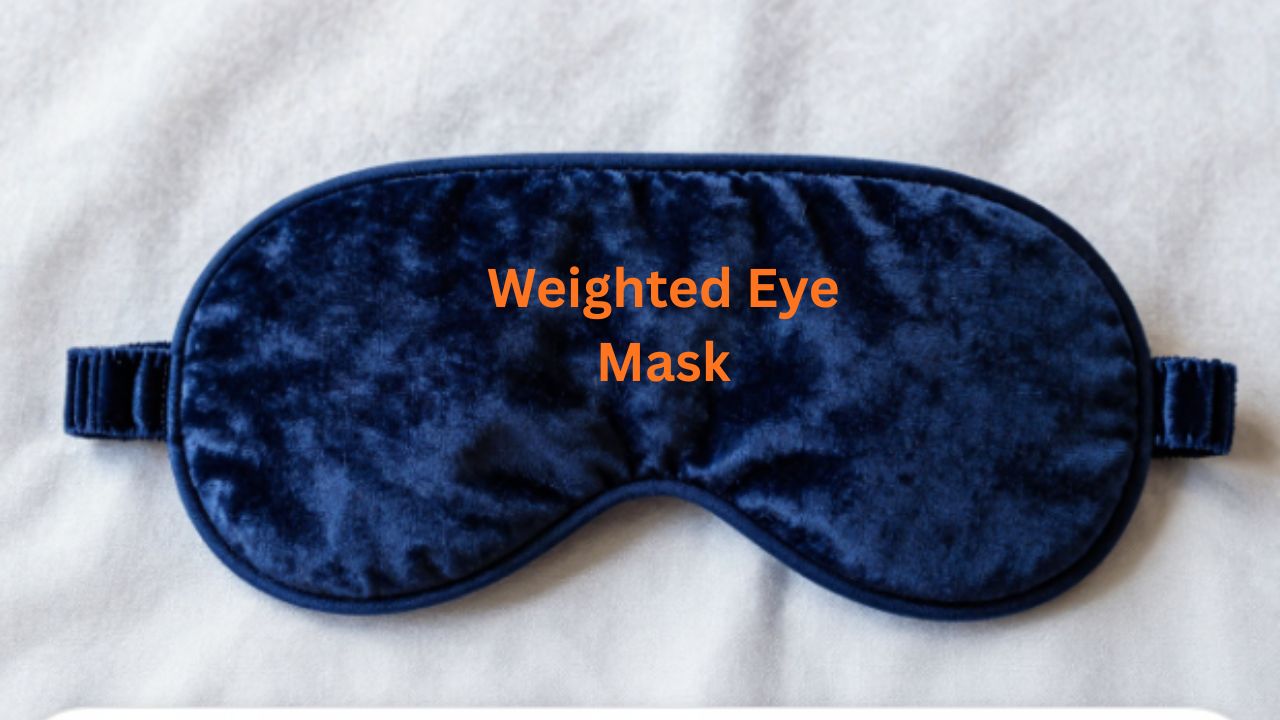
A weighted eye mask is similar to a regular blindfold-style sleep mask — but with one important twist: it contains small amounts of weight, often in the form of microbeads, flaxseed, or other gentle fillings. These weights allow the mask to rest more firmly and evenly on your eyes, temples, and forehead.
The design aims to do two things at once:
- Block out light — creating a dark, calm environment for sleep
- Provide gentle pressure — delivering a soothing, “hug-like” sensation for your face and eyes
Because of this dual action, weighted eye masks are more than just blackout masks: they offer a light-blocking sleep environment plus a calming sensory effect.
How Does a Weighted Eye Mask Help Sleep and Relaxation?
Deep Pressure Stimulation for Calm
One of the key ways a weighted eye mask helps is through deep pressure stimulation (DPS) — the gentle, even weight against your face mimics a swaddle or hug. This kind of pressure is known to activate the parasympathetic nervous system, the part of your nervous system responsible for “rest and digest.” As a result, your body begins to relax, and your mind may slow down, making it easier to unwind at night.
This calming effect can lower stress hormone levels like cortisol and encourage production of serotonin, a mood-boosting neurotransmitter. As your body relaxes, falling asleep becomes less of a struggle.
Darkness Boosts Natural Sleep Hormones
In addition to pressure, the darkness created by a well-fitting mask helps your body produce melatonin, the hormone that regulates sleep–wake cycles. Even small amounts of light — from street lamps, early dawn, or screens — can interfere with melatonin production and disturb your sleep.
By blocking out ambient light, a weighted eye mask gives your brain the cue that it’s time to rest. That helps you fall asleep faster and supports a regular sleep-wake rhythm.
Also Read: PDRN Cream: Benefits, Uses, Side Effects And More
Better Sleep Quality, Longer Rest
Many people who use weighted eye masks report deeper, more restorative sleep. Compared to using no mask or a simple mask, the combination of pressure + darkness helps reduce nighttime awakenings and increases the time spent in deeper sleep stages, including REM sleep.
Some experts believe that such uninterrupted rest can improve memory, mood, and daytime focus — because REM sleep is essential for brain function, emotional balance, and memory consolidation.
Relief from Stress, Headache, and Eye Strain
For many, a weighted eye mask does more than improve sleep: it also helps with stress, tension headaches, and eye strain. The gentle pressure on temples and around the eyes can ease tension, reduce sinus pressure, and relax tired facial muscles — especially useful if you spend long hours in front of screens.
Some masks are designed to be cooled or slightly warmed — offering a spa-like therapy that can relieve puffiness, soothe irritation, and reduce eye fatigue.
Many users also find weighted masks helpful during meditation or mindfulness sessions, because the weight helps them focus inward and block out distractions.
Who Can Benefit Most from a Weighted Eye Mask?
Weighted eye masks are especially useful for:
- People with insomnia or difficulty falling asleep — if sleeplessness is linked to stress, anxiety, or a busy mind.
- Light-sensitive or light-sensitive sleepers — those living in bright, urban environments or with street lights, early daylight, or noisy roommates.
- Individuals dealing with stress or anxiety — the calming pressure can reduce tension and help the nervous system relax.
- Frequent travellers or shift workers — for sleeping in planes, hotels, or during odd hours, where controlling light and environment is hard.
- People with screen fatigue, tension headaches, or eye strain — after long hours of computer or phone use, a weighted eye mask can offer relief.
- Those interested in deeper relaxation, meditation, or mindfulness practices, as the mask helps block sensory input and calm the mind.
However, not everyone should use a weighted eye mask. Experts caution that individuals with certain eye conditions — for example, glaucoma — or those who recently had eye surgery should avoid heavy eye pressure. It’s wise to consult an eye doctor if you have concerns.
Also — if you are a side-sleeper or move a lot in sleep — starting with a lighter mask is a good idea so the pressure remains gentle and comfortable.
Real Experiences and User Feedback
Because sleep is deeply personal, how a weighted eye mask works can vary from person to person. On forums where people discuss sleep and insomnia, some users report benefits, while others find little change. For example, one user struggling with anxiety and sleeplessness wrote:
“I have not personally tried the weighted ones, but I own a few sleep masks and I have noticed I have sort of conditioned myself so that when I put the mask on, my brain understands it is time to start calming down.”
Another described that while the mask helped when lying on the back, on the side, the weight didn’t feel effective:
“I have one and it’s helpful — if I’m on my back. I turn a lot though.”
Others found that the mask helped alleviate headaches or improve sleep quality after several nights.
But some users cautioned about discomfort or vision blurriness if the mask pressed too tightly, which underscores the importance of fit and individual comfort.
These varied experiences highlight that while a weighted eye mask can help many people, it’s not a guaranteed fix — and comfort, mask quality, and proper use matter a lot.
How to Choose and Use a Weighted Eye Mask — Practical Tips
If you decide to try a weighted eye mask, here are some practical guidelines to get the best result and avoid discomfort:
✅ Choose the Right Material and Filling
- Opt for soft, breathable fabric — cotton, silk or natural linen are gentler on the skin than rougher synthetics.
- For filling, microbeads, flaxseed or natural hulls are common. Some masks have gel inserts for cooling or warming effects.
- If you have sensitive skin or allergies, choose masks with hypoallergenic fill and cover.
✅ Start With Moderate Weight
- Begin with a lighter mask — just enough weight to feel gentle pressure, not heavy sensation. That’s especially important if you’re a side sleeper or new to weighted masks.
- If you feel discomfort, adjust or stop — a mask should never cause pain, pressure headaches or blurred vision.
✅ Use the Mask as Part of a Sleep Routine
- Put on the mask when you’re ready to wind down for sleep — perhaps after dimming lights, turning off screens, or practicing deep breathing.
- Pair the mask with good sleep hygiene: cool, quiet bedroom; consistent sleep schedule; minimal screen time before bed.
- You can also use it for short relaxation sessions — meditation, mindfulness, or even a short afternoon nap.
✅ Use Mindfully and Safely
- Don’t use weighted masks if you have eye conditions (like glaucoma), recent eye surgery or other eye health concerns — consult a professional first.
- Avoid overly heavy masks, especially for long overnight use — excess pressure may raise intraocular pressure or cause discomfort.
- If you feel dizziness, tension, blurred vision, or any discomfort, remove the mask immediately and rest.
Common Myths and Misconceptions
Because weighted eye masks combine weight and darkness, there are some misunderstandings about what they do — and what they don’t.
Myth: Weighted Eye Masks Are Only for People With Insomnia
Reality: They can be helpful for anyone who wants better sleep quality, deeper relaxation, or relief from eye strain — not just those with chronic insomnia. Even regular sleepers may benefit from occasional use, for travel, naps, or stress relief.
Myth: Mask Will Fix Sleep Problems by Itself
Reality: It’s a tool — but good sleep still depends on overall sleep hygiene, stress management, and healthy habits. A mask can support sleep, not guarantee it.
Myth: Heavier Mask Always Means Better Results
Reality: Too much pressure can cause discomfort or even problems, especially for sensitive eyes. The key is gentle, even pressure — not maximum weight.
Why a Weighted Eye Mask Matters Today
In our busy, always-on world, many of us struggle with stress, screen fatigue, irregular schedules, and light pollution — all of which hurt sleep. A weighted eye mask offers a simple, low-cost, non-pharmacological way to help counter these factors.
- It’s portable — ideal for travel, flights, hotels, and naps at work.
- It’s flexible — useful for sleep, meditation, stress relief, or eye-care (after screen usage).
- It’s gentle — compared with pills or heavy interventions, a mask is subtle, reversible and can be part of daily self-care.
For those who find their sleep disrupted by stress, bright artificial light, or internal restlessness, a weighted eye mask could be the missing piece in a peaceful bedtime ritual.
Conclusion
A weighted eye mask is more than just a blackout tool — it’s a small but powerful accessory that combines darkness and gentle pressure to help your body relax. Engaging deep pressure stimulation, lowering stress hormones, and encouraging melatonin production, it supports better sleep, deeper rest, and easier relaxation.
If you struggle with sleepless nights, anxiety before bed, eye strain from screens, or just want a more restful sleep, a high-quality, comfortable weighted eye mask might offer real benefits.
As with any sleep aid, the effectiveness depends on consistency, comfort, and healthy overall habits. Start slowly, listen to your body, and use the mask as part of a broader sleep-friendly lifestyle — and you may find yourself waking up more refreshed, calmer, and ready for the day.
A weighted eye mask is used to help people relax, sleep better, and reduce stress or anxiety. It combines darkness with gentle pressure around the eyes, which calms the body and makes it easier to fall asleep.
2. How does a weighted eye mask help you sleep?
The mask works through deep pressure stimulation, which relaxes the nervous system. It also blocks out light, helping your brain produce melatonin — the hormone that supports deep sleep.
3. Is it safe to wear a weighted eye mask every night?
Yes, it is generally safe for most people to use every night. The key is choosing a mask that isn’t too heavy and feels comfortable. If you experience discomfort or have eye-related health issues, consult an eye doctor first.
4. How heavy should a weighted eye mask be?
Most people prefer masks between 200g to 500g. It should feel gently grounding — not tight or uncomfortable. If you are a side sleeper, lighter is usually better.
5. Can a weighted eye mask help with anxiety?
Yes. The gentle pressure of the mask activates the parasympathetic nervous system, helping the body relax. Many people find it reduces anxiety and calms their mind before sleep.
6. Can I use a weighted eye mask for headaches?
A weighted eye mask can help with tension headaches, sinus pressure, and eye strain. Some masks can also be cooled or warmed, offering extra comfort.
7. Are weighted eye masks good for meditation?
Absolutely. They block visual distractions and provide a comforting pressure that helps deepen relaxation, making them great for meditation, yoga naps, or short rest sessions.
People with glaucoma, recent eye surgery, or any condition involving eye pressure should avoid weighted masks unless a doctor approves. The pressure may increase intraocular pressure in sensitive individuals.
9. Do weighted eye masks help block light better than normal masks?
Yes. Because they sit firmly and evenly on the face, they block light more effectively than thin or loose masks. This helps improve melatonin production and sleep quality.
10. Can I wash a weighted eye mask?
Most weighted eye masks come with a removable, washable cover. The inner weighted insert usually cannot be washed. Always follow the care instructions provided by the manufacturer.
11. How long does it take to get used to a weighted eye mask?
Most people adjust within 2–3 nights. Start with short sessions and gradually increase the duration as your body becomes comfortable with the gentle pressure.
12. Is a weighted eye mask good for travellers?
Yes. It’s one of the best travel accessories. It helps block light in airplanes, hotels, and unfamiliar places, and the weight helps you relax even in noisy environments.