Introduction
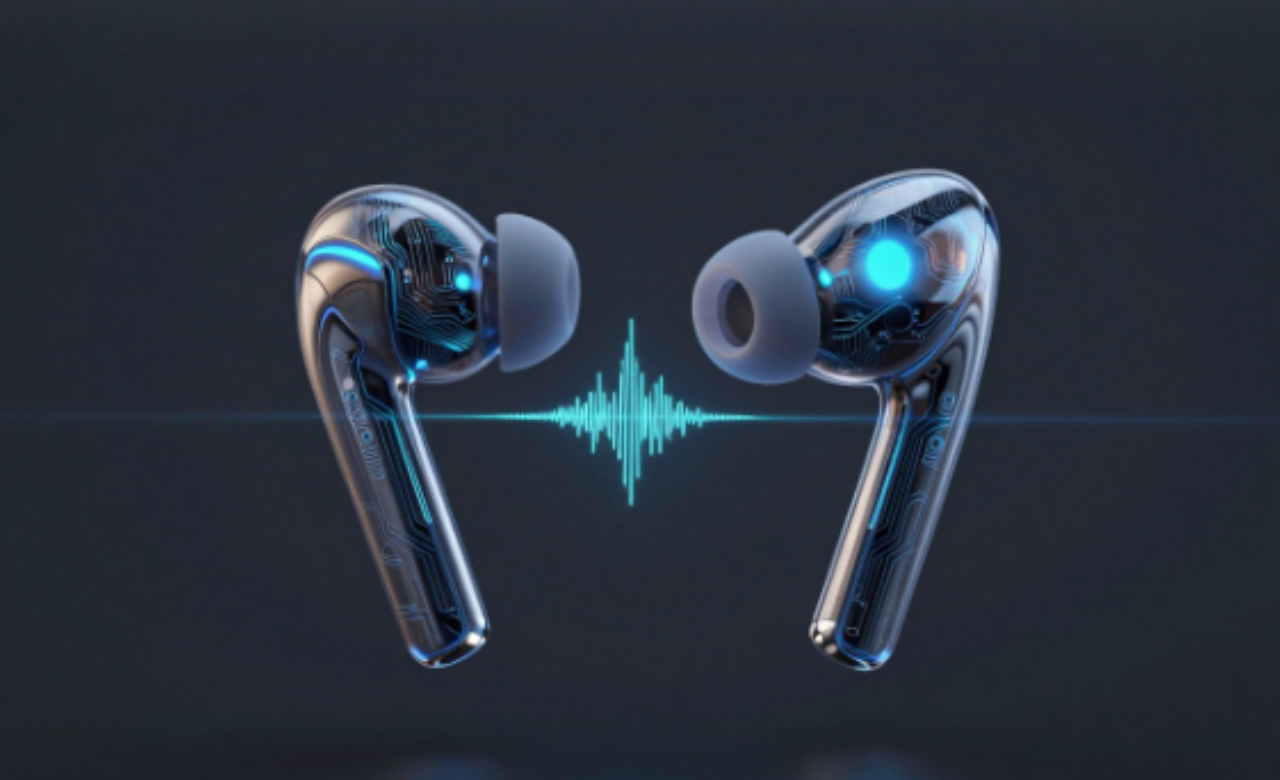
As technology advances, AI earbuds have emerged as a revolution in personal audio: combining high‑fidelity sound, smart noise control, real‑time translation and adaptive audio tuning to deliver a seamless, intelligent listening experience.
With features powered by artificial intelligence, these earbuds go beyond typical wireless earbuds — they adapt to your environment, optimise sound to your ear shape, and even help you communicate across languages.
This article explores the best AI earbuds available today, details the technologies behind them, outlines their advantages and disadvantages, and helps potential buyers understand what to consider — all in a clear, human-centred tone.
What Are AI Earbuds and How They Work
Definition and Purpose
Traditional wireless earbuds simply transmit audio from a device to your ears. In contrast, AI earbuds integrate advanced hardware (microphones, sensors, Bluetooth) with software (machine‑learning algorithms, speech recognition, adaptive sound processing) to deliver features such as:
- Adaptive noise cancellation that adjusts in real time depending on ambient sound.
- Sound customisation based on the user’s ear shape, posture or environment, improving clarity and quality.
- Real‑time speech translation for multilingual communication — useful for travellers, language learners, or global business professionals.
- Smart controls & voice commands, reducing the need to physically interact with a device.
Because AI handles tasks dynamically — like distinguishing background noise from speech, adjusting audio levels, or translating languages — these earbuds feel more like “smart assistants for audio” rather than mere playback devices.
Core Technologies behind AI Earbuds
- Microphone arrays and ENC/ANC: Multiple mics (outside and inside each earbud) help detect ambient sound and cancel noise.
- Real‑time speech recognition and translation engines: Capture spoken input, convert to text, translate using AI models, and output translated speech — often with minimal delay.
- Adaptive audio algorithms and equalization: AI analyses how earbuds sit in your ear and the acoustic environment, tailoring sound output (EQ, volume, ANC level) for optimal listening.
- Context‑aware noise suppression: AI learns to distinguish meaningful sounds (e.g. voices, voices in calls) from background noise and dynamically adjusts cancellation parameters — helpful in offices, public transport or crowded spaces.
- Low‑power playback and efficient connectivity: Using Bluetooth and efficient processors to deliver long battery life while supporting AI features.
These technologies combine to make interacting with audio, language, and communication more effortless, intelligent and context‑aware.
Recommended AI Earbuds
If you’re shopping for AI‑powered earbuds, these models stand out for their mix of sound quality, AI features, comfort, and real‑world utility:
Quick Highlights
- Samsung Galaxy Buds3 Pro – One of the most complete AI earbuds today. Its “Galaxy AI” delivers adaptive EQ and noise cancellation, adjusting audio based on how the earbuds fit and the environment — perfect for music, calls, or travel.
- Apple AirPods 4 – A solid choice for Apple users seeking clean, reliable performance with smart noise isolation and long battery life — balancing convenience and price.
- Sony WF-1000XM5 True Wireless Noise Cancelling Earbuds – Known for premium sound with deep bass and studio‑like clarity, along with advanced noise cancelling — ideal for audiophiles and frequent travellers.
- ActiveBuds AI-Smart Earphones – A more ambitious pair offering translation, voice‑to‑text, voice‑assistant integration and standalone 4G connectivity. Good for someone wanting a “smart wearable audio hub.”
- Verse. AI Language Translation Earbuds – Great for travellers or multi‑lingual communication needs. They handle real-time translation across many languages, with noise cancellation and a comfortable fit — all at a budget-friendly price.
- ITISSOFT AI Translation Earbuds – Another budget‑oriented translator: supports dozens of languages and ensures clear audio even in busy environments thanks to noise‑reduction technology.
- Bose QuietComfort Ultra 2nd Gen Wireless Earbuds – Known for exceptional adaptive ANC and premium sound. Great if noise cancellation and immersive audio are top priorities — especially in noisy urban or travel settings.
- Custom AI Translation Earbuds Wireless Bluetooth 5.4 – A high‑end translator earbud with advanced multi‑language support and dual‑earbud translation modes — ideal for professionals or frequent travellers needing reliable cross‑language communication.
Advantages of AI Earbuds
1. Smarter, Adaptive Sound & Noise Control
AI earbuds dynamically analyse ambient sound and adjust noise cancellation accordingly — filtering out background noise while preserving voices and important sounds. This ensures clearer music, calls or translation even in noisy environments.
The audio output is also customised based on ear shape and fit, delivering balanced sound that adapts to each user.
Also Read: The Best Fitness Watches for Weightlifting
2. Real‑Time Translation & Communication Across Languages
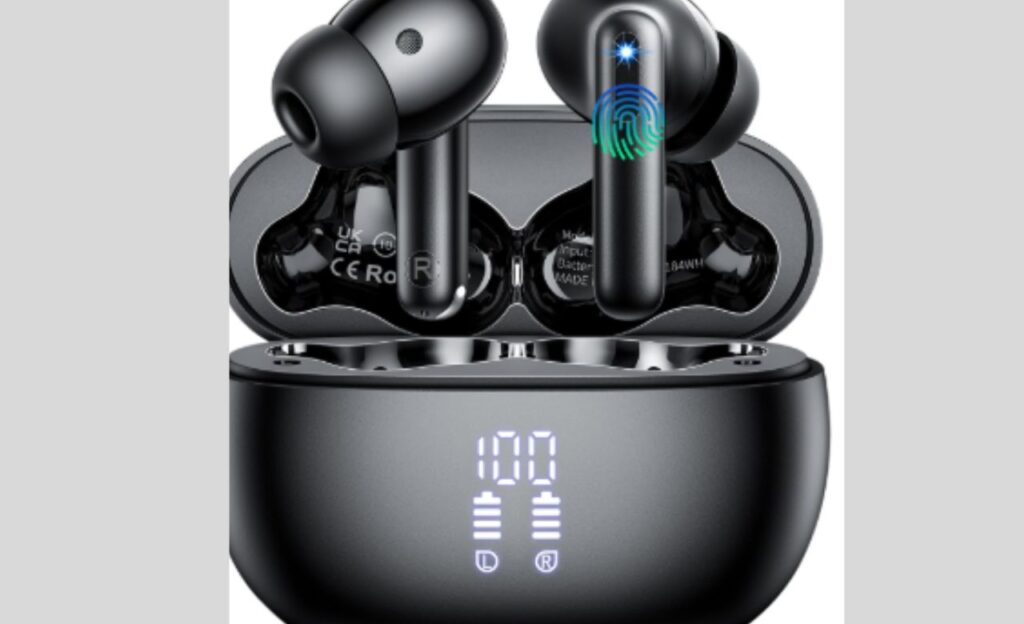
For travellers, expatriates, or business professionals dealing with different languages, translation earbuds bridge language gaps — converting speech into another language and playing the translation through the AI earbuds translator in near real time.
This feature supports cross‑cultural communication, language learning, and international business without the need for interpreters or manual translation tools.
3. Convenience & Hands‑Free Control
With smart controls (voice commands, touch gestures), users don’t need to constantly handle their phone — controlling audio, translation, or voice assistants becomes seamless.
AI earbuds also consolidate multiple use cases: music, call, noise cancelling, translation — reducing the need to carry multiple devices.
4. Improved Communication Clarity
In calls or meetings — especially in noisy settings — AI algorithms can distinguish speaker voices from background noise, enhancing clarity and reducing distractions.
This benefit is especially relevant for professionals working remotely, frequent travellers, or people in crowded environments.
5. Versatility — From Leisure to Professional Use
AI earbuds adapt to many use cases: from music listening, podcasts, entertaining kids, to translation for travellers, business meetings, learning languages, or even accessibility for hearing-challenged individuals.
Disadvantages and Limitations
1. Dependence on Battery & Power Consumption
AI features like real-time translation, adaptive ANC and voice processing consume more power than standard earbuds. Users may face shorter playback times compared to basic wireless earbuds — especially with heavy AI usage.
2. Variable Performance Depending on Environment
Although AI noise cancellation adapts, performance may degrade in extremely noisy or unpredictable environments. The algorithms may struggle to distinguish relevant speech from complex background noise.
Also, translation accuracy and latency can vary depending on language, accent, and ambient sound — making them less reliable than human translators in some situations.
3. Potential Privacy Concerns
AI earbuds with translation and voice‑processing capabilities often rely on cloud or device‑based processing. This may raise concerns about data privacy — especially if voice data or translations are transmitted to external servers.
4. Cost — Premium Features Come at a Price
Earbuds with extensive AI and translation features tend to be more expensive than conventional wireless earbuds. For users who only need basic music or calls, the added cost may not justify the advantage.
5. Over‑promised Features — Not All AI is Mature
Some models — especially budget ones — may overstate their AI capabilities. For example, translation may be limited to fewer languages, or voice recognition may misinterpret speech in noisy settings. As reported in some reviews, certain “AI earbuds” deliver subpar AI assistant performance despite decent hardware.
Use‑Case Scenarios: Who Should Consider AI Earbuds
- Frequent travellers or tourists — Real‑time translation helps communicate across languages when visiting foreign countries or interacting with locals.
- Business professionals — Useful for international meetings, remote work calls, or multilingual collaboration.
- Language learners & students — Offers immersive learning, hearing correct pronunciation, and practicing conversations.
- Commuters / urban travellers — Adaptive ANC helps drown out traffic or crowd noise, while voice controls reduce need to handle devices.
- Audiophiles & music lovers — Benefit from adaptive audio tuning and high-fidelity playback even in changing environments.
- Remote workers in noisy environments — Enhanced noise suppression and voice clarity is helpful in open offices or shared spaces.
What to Look For When Choosing AI Earbuds
Before deciding on a model, consider:
- AI feature set: Do you need translation, noise cancellation, adaptive audio, or just basic ANC? Based on that, pick accordingly.
- Battery life: AI features consume more battery — check both single‑charge playback and total battery life with charging case.
- Comfort & fit: Ear shape, ear tip size, and ergonomics affect both audio quality and wearability — especially if worn for long sessions.
- Language support (for translation models): Ensure the earbuds support the languages you need and offer acceptable translation accuracy.
- Brand & ecosystem compatibility: Devices from major brands (e.g. for Android or iOS) often integrate more smoothly and receive regular updates.
- Privacy & data handling: If translation or voice processing relies on cloud services, check how data is handled.
- Value vs price: Evaluate if advanced AI features justify the cost, compared to standard wireless earbuds.
Conclusion
AI earbuds represent a significant leap in audio technology — merging high-quality sound, intelligent noise cancellation, adaptive tuning and real-time translation into a singular, compact wearable. For travellers, multilingual professionals, commuters, and even everyday users seeking better audio experience, they offer a convenience and versatility far beyond what conventional earbuds can achieve.
That said, they are not a one‑size‑fits‑all solution. Their advantages carry trade‑offs: higher cost, battery usage, and varying performance depending on environment and use-case. For those who only need basic music listening or occasional calls, standard earbuds may still suffice. But for those needing smart, adaptive, multi‑purpose audio — AI earbuds are highly compelling.
In short: AI earbuds are best viewed not merely as “earbuds,” but as smart wearable audio companions — tech‑forward tools that adapt to context, optimise sound performance, and even break down language barriers.
Q&A
Q: Are AI earbuds worth buying over traditional wireless earbuds?
A: They are worth it if you value smart features — adaptive noise control, sound customisation, voice commands or real‑time translation. If you only want simple music playback, traditional earbuds might suffice.
Q: Can AI earbuds really translate speech in real time accurately?
A: Many AI translation earbuds can provide impressively fast and reasonably accurate translations, especially in quiet environments. Performance hinges on language pair, accent, ambient noise and quality of microphones & AI engine.
Q: Do AI earbuds consume more battery than regular earbuds?
A: Yes — AI processing, continuous mic monitoring, and adaptive features consume more power. Users should expect somewhat reduced playback time compared to basic models.
Q: Are AI earbuds safe and private?
A: Functionally yes, but privacy depends on the brand and how voice data is handled. If translation or voice‑processing uses cloud services, consider potential data collection policies.
Q: Which use‑cases benefit the most from AI earbuds?
A: Frequent travellers, business professionals working across languages, commuters in noisy cities, remote workers on calls, language learners, and anyone wanting adaptive audio for music or podcasts.